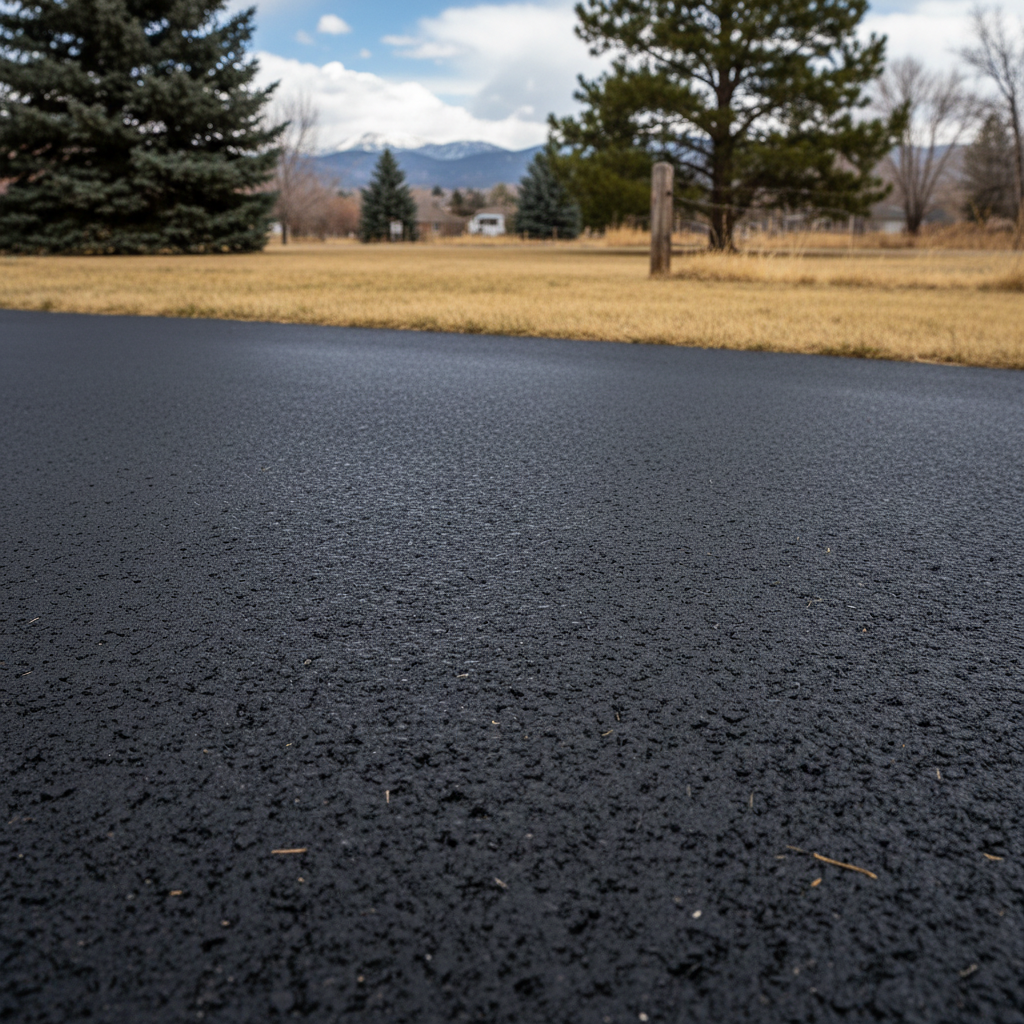
Alright, let's talk asphalt. I've been doing this a long time here in Fort Collins, and I hear a lot of the same questions from homeowners. Folks want to know what they're getting into, how to keep their driveway looking good, and what to expect from the process. So, I figured I'd put together some straight answers to the stuff you're probably wondering about. No fluff, just the facts from someone who’s been on the ground.
What's the deal with drainage? Do I need to worry about water pooling?
You absolutely need to worry about drainage. It’s probably the single biggest factor in how long your asphalt will last, especially with our freeze-thaw cycles here in Northern Colorado. If water sits on your driveway, it's going to find its way into cracks, freeze, expand, and then you've got bigger cracks, potholes, and a crumbling mess. When we're designing and installing a new driveway, we're always thinking about the slope. We need to make sure water runs off and away from your house, garage, and any other structures. Sometimes that means grading the sub-base just right, or even adding a small swale or French drain if your property has a tricky layout. Don't let a contractor tell you drainage isn't important; it's non-negotiable.
How long does an asphalt driveway actually last around here?
That's a good question, and the honest answer is, it depends. A really well-installed asphalt driveway, properly maintained, can easily last 20-30 years. But that's with good drainage, quality materials, and regular sealcoating. If you skip the maintenance, or if it was poorly installed to begin with, you might only get 10-15 years out of it before you're looking at major repairs or replacement. Our climate plays a big role too. The intense summer sun and the brutal winters with snow, ice, and de-icing chemicals all take their toll. Think of it like your car – if you don't change the oil, it won't last as long, right? Same principle.
Can you just patch a big pothole, or do I need a whole new section?
It depends on the size and severity of the pothole, and what caused it. For small, isolated potholes, especially if they're caught early, a patch can work just fine. We'd cut out the damaged area, clean it, apply a tack coat, and then fill it with new asphalt, compacting it thoroughly. This is often called a 'cut and patch' or 'infrared repair' depending on the method. However, if you've got a whole network of cracks leading to the pothole, or if the base layer underneath is failing, a patch is just a temporary band-aid. You're better off replacing a larger section or even considering an overlay if the damage is widespread. We'll always assess the underlying issue before recommending a fix.
What's the difference between asphalt and concrete? Why would I pick one over the other?
Good question. They're both paving materials, but they're pretty different. Asphalt is flexible, made from aggregate (like gravel and sand) mixed with bitumen, which is a petroleum-based binder. It's black, heats up faster, and is generally more affordable to install initially. It's also easier to repair; you can patch it seamlessly. Concrete, on the other hand, is rigid, made from cement, aggregate, and water. It's typically lighter in color, more expensive upfront, and repairs are usually more noticeable. For driveways, asphalt tends to be favored for its lower cost, flexibility (which helps with our expansive clay soils in areas like Fossil Creek), and easier maintenance. Concrete can be more durable in some heavy-duty applications, but it's prone to cracking if the sub-base isn't perfect or if it's not properly jointed. For most residential driveways, asphalt is a great choice, offering a smooth, durable surface.
What kind of prep work do I need to do before you guys show up?
Honestly, not much on your end, beyond clearing the area. We handle the heavy lifting. But here's what helps us: make sure the driveway area is clear of vehicles, trash cans, toys, and anything else you don't want us to move or pave over. If you have any landscaping that's really close to the edge of where the new asphalt will go, let us know so we can be extra careful. We'll take care of excavating the old material, grading the sub-base, and making sure everything is ready for the new asphalt. Just give us a clear path to work, and we'll handle the rest. We'll always communicate with you about specific access needs before we start the job.
How soon can I drive on my new asphalt driveway?
That's the question everyone asks! You're excited, I get it. Generally, you should wait at least 24 to 48 hours before driving on it, especially with lighter vehicles. For heavier vehicles, like RVs or delivery trucks, you really want to give it 3 to 5 days, or even a full week if it's a particularly hot day. Asphalt needs time to cure and harden. If you drive on it too soon, especially when it's hot and soft, you can leave tire marks, ruts, or even damage the surface. Think of it like freshly poured concrete – you wouldn't walk all over that right away, would you? We'll give you specific instructions for your particular job, but a little patience goes a long way in making sure your new driveway sets up perfectly and lasts.
Hopefully, this clears up some of the common questions you might have. We've been serving the Fort Collins area for years, and at Precision Asphalt Fort Collins, we're always happy to talk through your specific situation. Don't hesitate to reach out if you've got more questions or want a quote.