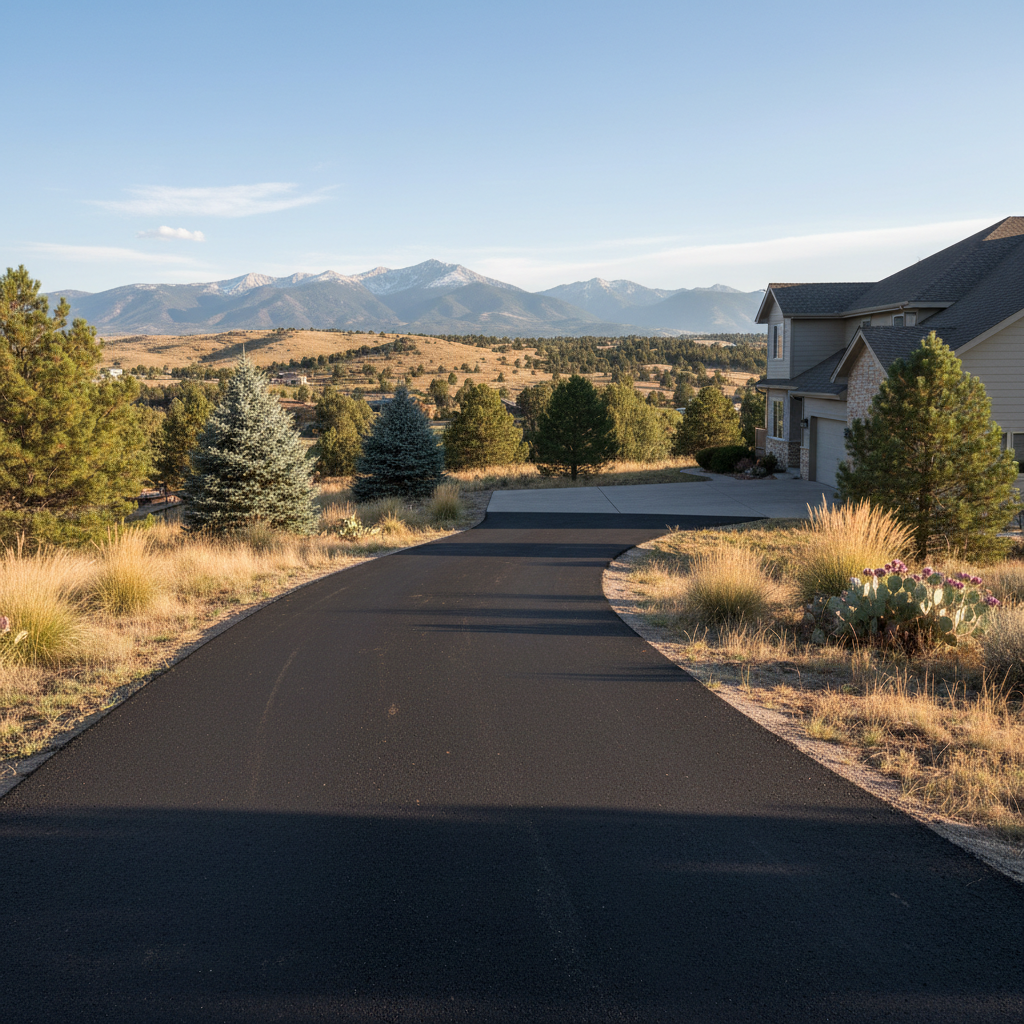
So, you've got cracks, potholes, or maybe just some general wear and tear on your asphalt. You know it's time to get it fixed, but where do you even start? It can feel like a big job, and you want to make sure you're doing it right. I've been doing this for a long time here in Fort Collins, and I've seen homeowners jump in without a clear plan, which can lead to headaches down the road. Let's talk about how to plan your asphalt repair project so it goes smoothly, from start to finish.
When to Plan Your Asphalt Repair Project
Timing is a big deal when it comes to asphalt. You can't just lay down hot asphalt in the middle of a blizzard, right? The ideal window for most asphalt repairs, especially larger ones like resurfacing or patching, is when temperatures are consistently above 50 degrees Fahrenheit. Here in Fort Collins, that usually means late spring through early fall. Think May through October. If you're looking at sealcoating, you'll want it even warmer, usually 60 degrees and rising, with no rain in the forecast for at least 24-48 hours after application.
Don't wait until the last minute to get quotes. Good contractors, like us at Precision Asphalt Fort Collins, get busy, especially during peak season. Start reaching out for estimates in late winter or early spring. This gives you time to compare bids, ask questions, and get on a reputable company's schedule before they're fully booked. If you've got a small pothole that's a trip hazard, sure, get it fixed ASAP. But for bigger projects, planning ahead pays off.
What to Expect During the Repair Process
Once you've got a contractor lined up, what actually happens? It depends on the type of repair, but generally, here's the rundown:
- Initial Assessment: A good contractor will come out, walk the area with you, and explain what they see. They'll tell you if it's a simple patch, a crack fill, or if you need something more extensive like milling and overlay. Don't just accept a quote over the phone without someone looking at the actual damage.
- Preparation: This is crucial. For patching, they'll cut out the damaged section, clean it thoroughly, and make sure the base is solid. For crack filling, they'll clean out the cracks. If it's a resurface, they might mill down the old asphalt first. This step often involves heavy equipment, so expect some noise and activity.
- Material Application: Hot asphalt is laid down, compacted, and smoothed. For crack filling, a specialized hot or cold-applied sealant is used. Sealcoating is sprayed or squeegeed on.
- Curing Time: This is where your patience comes in. You won't be able to drive or park on your newly repaired asphalt right away. Your contractor will give you specific instructions, but generally, for new asphalt, it's 24-72 hours. For sealcoating, it can be 24-48 hours, sometimes longer if it's cooler or humid. Respect this time; driving on it too soon can ruin the repair.
The crew will likely be on-site for a few hours to a few days, depending on the scope. They'll need space for their trucks and equipment. Make sure you communicate any access needs or concerns with them beforehand.
How to Prepare Your Property
You can help make the job go smoother. Before the crew shows up:
- Clear the Area: Move your cars, boats, RVs, trash cans, planters, basketball hoops, or anything else that's on or near the asphalt surface. This includes anything that might be in the way of equipment or trucks.
- Trim Vegetation: If you have bushes or tree branches hanging over the driveway, trim them back. This protects your plants and gives the crew clear access.
- Mark Sprinklers/Utilities: If you have sprinkler heads or shallow utility lines near the edge of the asphalt, mark them clearly with flags or paint. We do our best to be careful, but it's always better to be safe.
- Inform Neighbors: Especially if it's a shared driveway or if the work will be noisy or block access temporarily, give your neighbors a heads-up.
- Secure Pets: Keep your furry friends inside or in a secure area away from the work zone. Hot asphalt and heavy machinery aren't safe for pets.
A little prep on your part goes a long way in preventing delays and making sure the crew can focus on doing a great job.
Questions to Ask Before Signing a Contract
This is probably the most important part. Don't just go with the cheapest bid. Ask these questions:
- What specific repairs are you proposing, and why? Make sure they explain the 'why' behind their recommendations. Do they suggest crack filling, patching, or a full resurface?
- What materials will you use? Ask about the type of asphalt mix, crack filler, or sealcoat. Are they using quality, durable products suitable for our climate here in Northern Colorado, with its freeze-thaw cycles?
- What's your process for surface preparation? This is critical. A bad prep job means the repair won't last. Do they clean, prime, and compact properly?
- What's the estimated timeline for completion, and how long until I can drive on it? Get clear expectations for both the work itself and the curing time.
- Do you offer a warranty? What does it cover, and for how long? A reputable contractor will stand behind their work. Get it in writing.
- Are you licensed and insured? Always, always, always ask for proof of general liability insurance and workers' compensation. You don't want to be liable if someone gets hurt on your property.
- Can you provide references? Talk to other homeowners they've worked for. See their past work if possible.
- What's included in the price, and are there any potential extra costs? Get a detailed quote. Make sure there are no hidden fees for things like debris removal or specific equipment.
Taking the time to plan and ask these questions will save you headaches and money in the long run. You want a repair that lasts, not one you'll be fixing again next year. Do your homework, pick a good local contractor, and you'll be happy with your new, smooth asphalt for years to come.