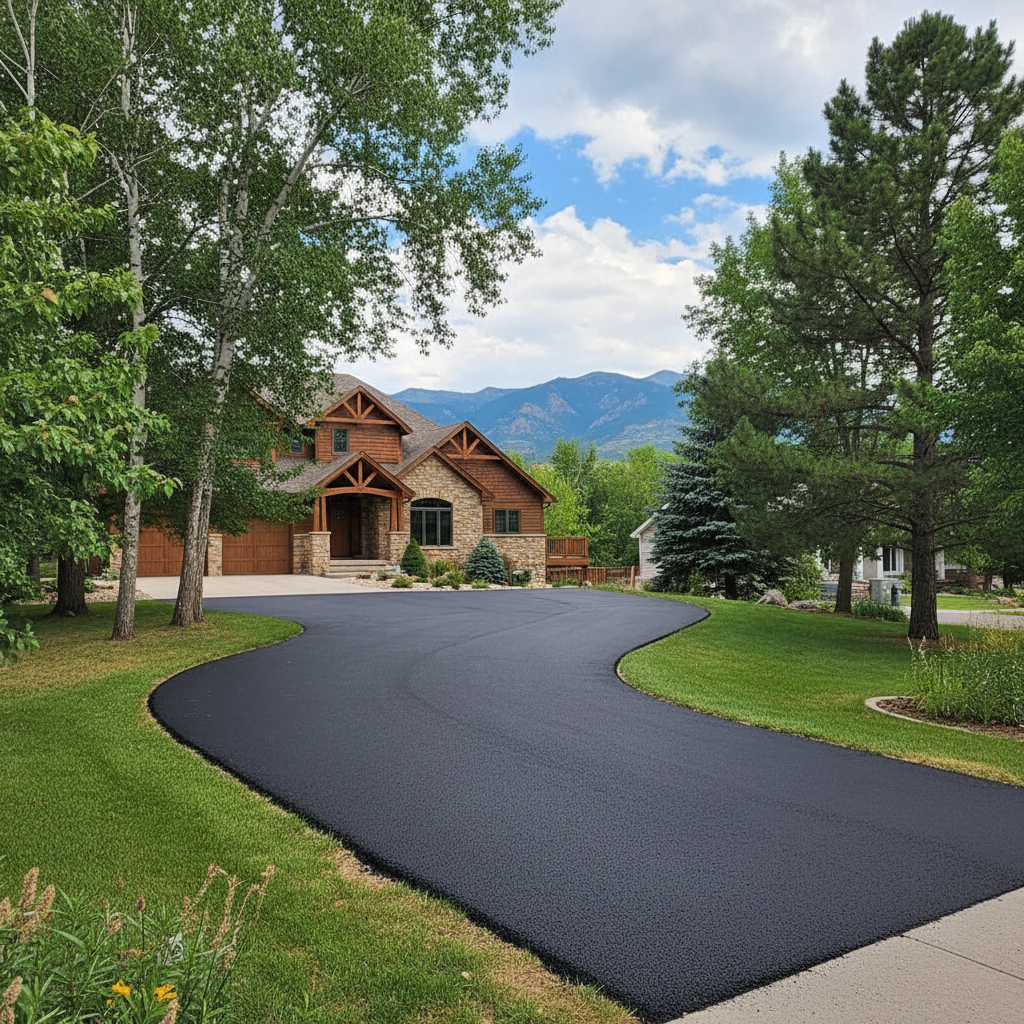
Your driveway takes a beating, plain and simple. Between the scorching summer sun, heavy snows, and those crazy freeze-thaw cycles we get here in Fort Collins, it's a wonder asphalt lasts as long as it does. But it can last a whole lot longer if you give it a little attention. I've seen countless driveways around neighborhoods like Old Town and Fossil Creek, and the difference between a well-maintained one and a neglected one is night and day.
Extend Your Driveway's Life: It's Easier Than You Think
The biggest thing you can do to extend your driveway's life is pretty straightforward: sealcoating. Think of it like sunscreen for your asphalt. It protects against UV rays, water penetration, and even helps resist oil and gas spills. I usually recommend getting it done every 2-3 years, depending on traffic and how much sun your driveway gets. Don't wait until it looks completely faded and cracked; be proactive. A fresh sealcoat not only protects but also brings back that rich black color, making your whole property look better.
Another big one is drainage. Water is the enemy of asphalt. If you've got puddles sitting on your driveway after a rain or snowmelt, that's a problem. Water seeps into tiny cracks, freezes, expands, and then you've got bigger cracks, potholes, and eventually, a destroyed driveway. Make sure your gutters are directing water away, and if your driveway has low spots, sometimes a small patch or even a French drain can make a huge difference.
Regular Maintenance: Small Steps, Big Impact
Beyond sealcoating, there are a few simple things you should be doing regularly:
- Keep it clean: Sweep off dirt, leaves, and debris. Organic matter can hold moisture against the asphalt, and dirt can wear down the surface over time.
- Address spills immediately: Oil, gas, and other chemicals can break down the asphalt binder. If you see a spill, clean it up right away. Kitty litter works wonders for absorbing oil.
- Trim back vegetation: Tree roots can cause significant damage by pushing up and cracking your asphalt. Keep an eye on any trees or large shrubs growing too close to the edges of your driveway.
- Watch the heavy loads: We all have friends with big RVs or delivery trucks. Try to limit prolonged parking of extremely heavy vehicles on your driveway, especially if it's an older one.
- Snow removal smarts: When you're shoveling or plowing, try not to scrape the surface too hard. Metal blades can gouge the asphalt. Plastic shovels or plows with rubber edges are much gentler. And don't use harsh de-icers that can damage the pavement. Sand is often a better choice for traction here in Colorado.
Warning Signs: When to Pay Closer Attention
Your driveway will usually tell you when it's starting to have problems. You just need to know what to look for:
- Fading and graying: This is the first sign that the asphalt binder is oxidizing and losing its protective qualities. It means it's time for a sealcoat.
- Small cracks: Hairline cracks, especially alligator cracking (a pattern of interconnected cracks that resemble alligator skin), are a red flag. These need to be filled quickly before water gets in and makes them worse.
- Potholes: These are past the point of just a crack. They're usually a sign of underlying base failure and definitely need professional attention.
- Standing water: As I mentioned, puddles mean poor drainage, which will lead to bigger issues down the road.
- Soft spots or depressions: If parts of your driveway feel spongy or sink when you drive over them, that indicates a problem with the sub-base, and it's not going to fix itself.
When to Call a Professional
Look, I'm all for DIY, but some things are best left to the pros. You should definitely call someone like us at Precision Asphalt Fort Collins if you see:
- Extensive alligator cracking: A few small patches are fine, but if a large section looks like alligator skin, you're likely looking at a need for an overlay or even a full replacement of that section.
- Large, deep potholes: These aren't just cosmetic; they're safety hazards and indicate a structural problem.
- Significant depressions or humps: If your driveway is no longer flat and smooth, it's a sign of serious base issues.
- Water pooling that doesn't drain: If you've tried simple fixes and water still sits, you might need professional grading or drainage solutions.
- If you're unsure: Honestly, if you're looking at your driveway and just have a gut feeling something's wrong, it's worth getting an expert opinion. We can come out, take a look, and give you an honest assessment of what needs to be done, if anything. Sometimes it's a simple fix, sometimes it's a bigger job, but knowing is always better than guessing.
Taking care of your driveway isn't just about curb appeal; it's about protecting your investment and preventing bigger, more expensive problems down the line. A little effort now can save you a lot of headaches and money later.