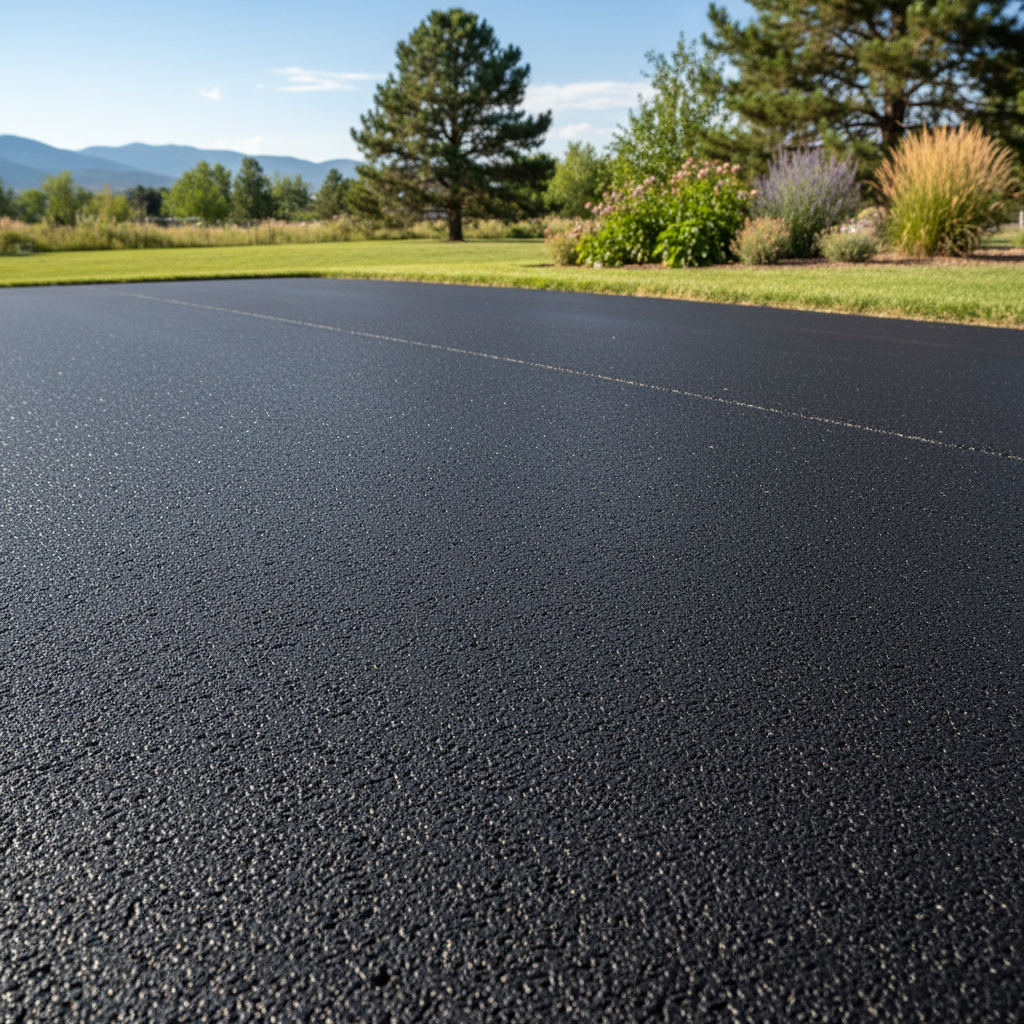
Alright, let's talk driveways. I get a lot of calls and questions from folks around Fort Collins, and while I've covered some ground in other posts, there are always those specific head-scratchers that pop up. So, I figured I'd tackle some of the deeper, nitty-gritty questions you might have about your residential asphalt. No BS, just what I've seen working on driveways from Old Town to the newer developments out east.
Can I really patch my own asphalt driveway, or is it always a pro job?
You know, it depends on the damage. For small cracks, like those hairline ones or even alligator cracking that's just starting, you absolutely can patch it yourself. Grab some crack filler from the hardware store, make sure the crack is clean and dry, and follow the directions. It's not rocket science. But if you've got potholes, significant depressions, or large sections that are crumbling, that's where you're probably better off calling in Precision Asphalt Fort Collins. Those bigger repairs need proper excavation, compaction, and hot asphalt application to really last. A DIY cold patch on a big pothole is usually a temporary fix at best, and you'll be doing it again next year after the freeze-thaw cycles we get here.
How does our Fort Collins climate actually affect my asphalt?
Our climate here in Fort Collins is a real beast for asphalt, honestly. We get those scorching 90-degree summer days that make the asphalt soft and pliable, then we swing to below-zero winters where it gets brittle. The biggest culprit is the freeze-thaw cycle. Water seeps into tiny cracks, freezes, expands, and then thaws, leaving bigger cracks. That process repeats all winter and spring. The intense UV from our high-altitude sun also bakes the oils out of the asphalt, making it dry and less flexible. That's why sealing is so important here – it's like sunscreen for your driveway and helps keep water out. Also, the clay soils common in some parts of Fort Collins, especially if not properly compacted during installation, can shift and cause issues underneath the asphalt, leading to cracks and uneven spots.
My driveway has standing water after it rains. Is that a big problem?
Yeah, standing water is definitely a problem and something you shouldn't ignore. It's a sign of poor drainage, and it's going to shorten the life of your asphalt significantly. That water will seep into the sub-base, weaken it, and then when winter hits, you're looking at accelerated freeze-thaw damage, potholes, and cracking. It can also lead to moss or algae growth, making your driveway slippery. Sometimes it's a simple fix like adding a small drain or re-grading a low spot. Other times, it might mean the original paving wasn't done with proper slope, and you're looking at a more extensive repair or even a partial repave to correct the drainage. I always recommend addressing standing water sooner rather than later.
What's the deal with asphalt sealcoating? Is it really necessary every few years?
Okay, sealcoating. Think of it like painting your house or putting a clear coat on your car. It's not just for looks, though it does make your driveway look sharp and new. The main job of sealcoat is to protect the asphalt from the elements I just talked about – UV rays, water penetration, and chemicals like oil and gas spills. It replenishes some of the binders that get lost over time, keeping the asphalt flexible. For our climate, I usually tell folks to consider sealing every 2-3 years. If you wait too long, the asphalt dries out, becomes brittle, and then the sealcoat won't do as much good because the damage is already done. It's a maintenance thing that really pays off in extending your driveway's life and delaying bigger, more expensive repairs.
My asphalt is fading to gray. Does that mean it's failing?
Not necessarily failing, but it's definitely a sign it's aging and could use some attention. When asphalt is new, it's black because of the asphalt binder (bitumen) that holds it all together. Over time, especially with our strong Fort Collins sun, those oils oxidize and break down. The color fades to gray as the aggregate (the stones and sand) starts to show through more prominently. It means the surface is losing its protective qualities and becoming more susceptible to water intrusion and cracking. It's a prime indicator that it's time for a good cleaning and a fresh sealcoat to bring back that rich black color and, more importantly, restore its protective layer.
How do I handle tree roots growing under my asphalt?
Tree roots are a common headache, especially in older neighborhoods with mature trees. They're strong, and they'll push right up through your asphalt, causing cracks and humps. The best long-term solution is to remove the offending roots, which sometimes means sacrificing the tree or at least a significant portion of its root system. If you cut the roots, you'll want to do it cleanly and backfill properly to prevent future issues. Then, you can repair the asphalt. If removing the roots isn't an option, you might be looking at a recurring repair job, or even considering a different paving material in that specific area that's more root-resistant, like pavers, though that's a bigger project. It's a tough call sometimes, balancing your landscape with your driveway's integrity.
What's the difference between a full-depth repair and an overlay?
Good question, because these terms get thrown around a lot. A full-depth repair means we're cutting out a specific damaged section of your asphalt, digging down to the sub-base, ensuring that base is solid, and then replacing the asphalt from the ground up. This is for localized damage like a deep pothole or a section that's completely failed. It's a structural fix for a specific spot. An overlay, on the other hand, is when we put a new layer of asphalt over your entire existing driveway. We'll usually clean it thoroughly, make any necessary small repairs, and then put down typically 1.5 to 2 inches of new asphalt. This is a good option when your driveway has widespread surface cracking, fading, or minor imperfections, but the underlying base is still sound. It's a more cost-effective way to get a 'new' driveway without the full excavation of a complete replacement.
Hopefully, that clears up some of those nagging questions you've had. If you've got more, or you're ready to get some work done, you know who to call.