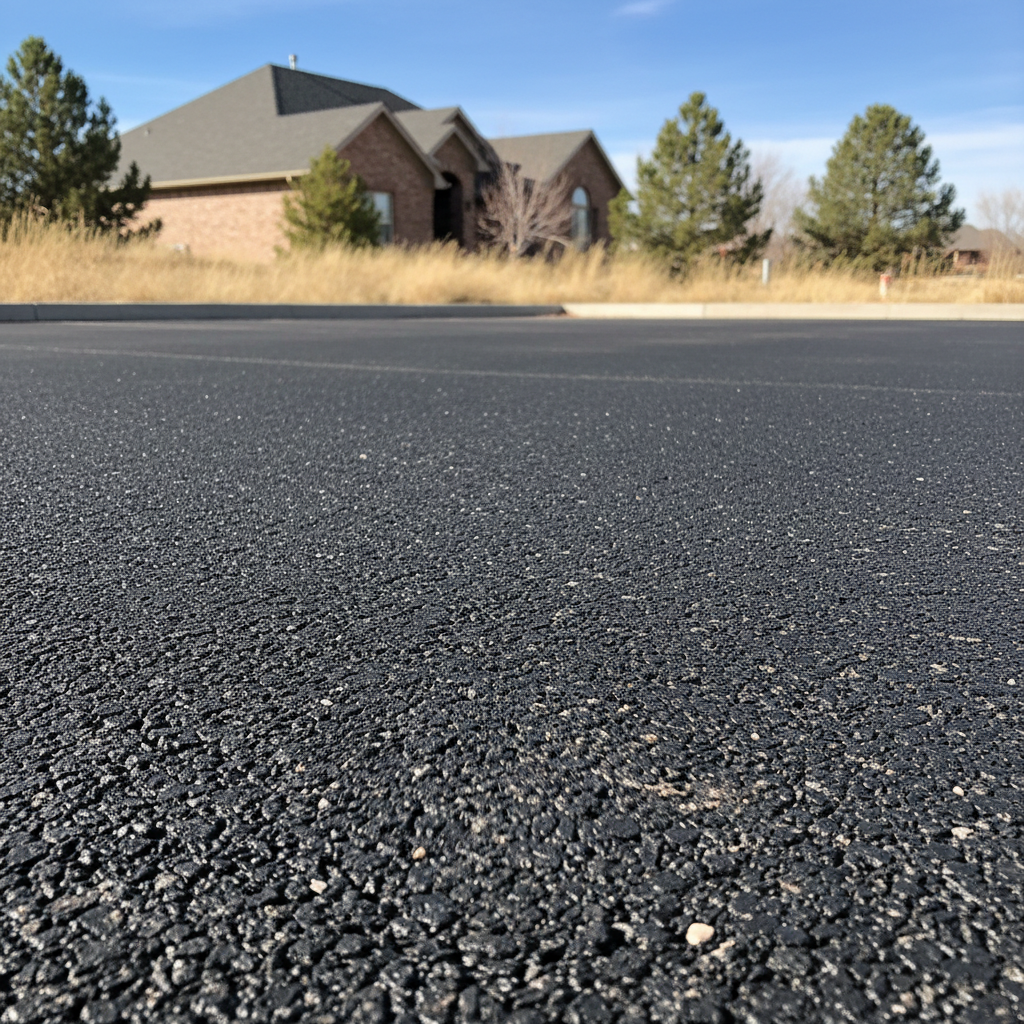
Got a spot on your property you're thinking of turning into a parking area? Maybe it's a gravel patch that's always a dusty mess, or you're expanding your driveway for extra vehicles. Whatever the reason, paving a new parking area at your Fort Collins home is a solid investment. But before you jump in, let's talk about what you can realistically tackle yourself and when it's time to call in the experts like us at Precision Asphalt Fort Collins.
Before the Shovel Hits the Dirt: Planning & Prep
The biggest mistake I see homeowners make is not planning enough. You can save yourself a lot of headaches and money by getting a few things straight upfront.
- Know Your Local Rules: First things first, check with the City of Fort Collins planning department. You might need a permit, especially if you're changing drainage patterns or increasing impervious surface area significantly. You don't want to pave something only to find out you have to tear it up.
- Drainage is King: This is huge, especially with our heavy spring rains and rapid snowmelt. Where's the water going to go? You absolutely do not want water pooling on your new parking area or, worse, running into your foundation or a neighbor's yard. You can do some basic observation yourself: watch how water moves on your property during a good downpour. If you're paving a new area, you need to think about a slight slope (usually 1-2%) to direct water away. This is a critical step that often gets overlooked in DIY projects.
- Clear the Area: This is where you can really get your hands dirty and save some cash. Remove any existing grass, weeds, or debris. Dig down to a stable base. For a typical residential parking area, you're usually looking at excavating 8-12 inches, depending on the soil conditions and how heavy the vehicles will be. If you've got that heavy, expansive clay soil common around areas like the Fossil Creek Reservoir, you might need to go a bit deeper or bring in more stable aggregate. Renting a small excavator or skid steer for a weekend can be a great DIY move here.
- Subgrade Compaction: Once you've dug it out, you need a solid, well-compacted subgrade. This is the dirt underneath everything. If it's not stable, your asphalt won't be either. You can rent a plate compactor for this. Go over the area multiple times, making sure it's firm and even.
During the Project: When to Call the Pros
Alright, you've done your homework, cleared the land, and compacted the subgrade. Now comes the part where most homeowners should step back and let the pros take over for the actual paving.
- Base Layer Installation: This is usually a layer of crushed aggregate (like ¾ inch road base) that's 4-8 inches thick, depending on your specific needs and expected traffic. It needs to be spread evenly, graded precisely for drainage, and then heavily compacted. Getting the grade right is crucial for water runoff and the longevity of your asphalt. This isn't just dumping gravel; it's a science.
- Asphalt Paving: This is definitely a job for professionals. Laying hot asphalt requires specialized equipment – pavers, rollers, and experienced crews who know how to work with the material quickly and effectively before it cools. We're talking about precise temperatures, consistent thickness, and proper compaction to achieve a smooth, durable surface that will last for years. Trying to do this yourself with cold patch or small batches is a recipe for a bumpy, short-lived mess. You won't get the proper compaction or a seamless finish.
- Edging and Transitions: A professional paving crew will ensure clean edges and smooth transitions to existing driveways, sidewalks, or landscaping. This makes your new parking area look finished and prevents future problems like crumbling edges.
After the Paving: Keeping It Looking Good
Once your new asphalt parking area is in, you've still got a role to play in keeping it in top shape.
- Curing Time: Give it time to cure. We'll tell you exactly how long, but typically, you'll need to stay off it for a few days, and avoid heavy vehicles for a week or more.
- Sealcoating: About 6-12 months after installation, you should consider sealcoating. This protects the asphalt from UV rays, water, and chemicals, extending its life significantly. You can tackle this yourself if you're up for it – it's like painting a big surface. Just make sure the surface is clean and dry, and follow the product instructions. Or, if you'd rather not deal with the mess, we can handle it for you.
- Crack Sealing: Keep an eye out for any small cracks that develop over time. Sealing these early prevents water from getting underneath the asphalt and causing bigger, more expensive problems like potholes. You can buy crack filler at most hardware stores and apply it yourself. It's a simple maintenance task that pays off big time.
- Cleaning: Sweep or blow off debris regularly. Oil and gas spills should be cleaned up quickly to prevent damage to the asphalt.
Paving a parking area is a big project, but by understanding what goes into it, you can make smart decisions about where to invest your time and where to bring in the pros. Get the prep right, and a professional paving job will give you a beautiful, functional parking space that adds value to your Fort Collins home for years to come.