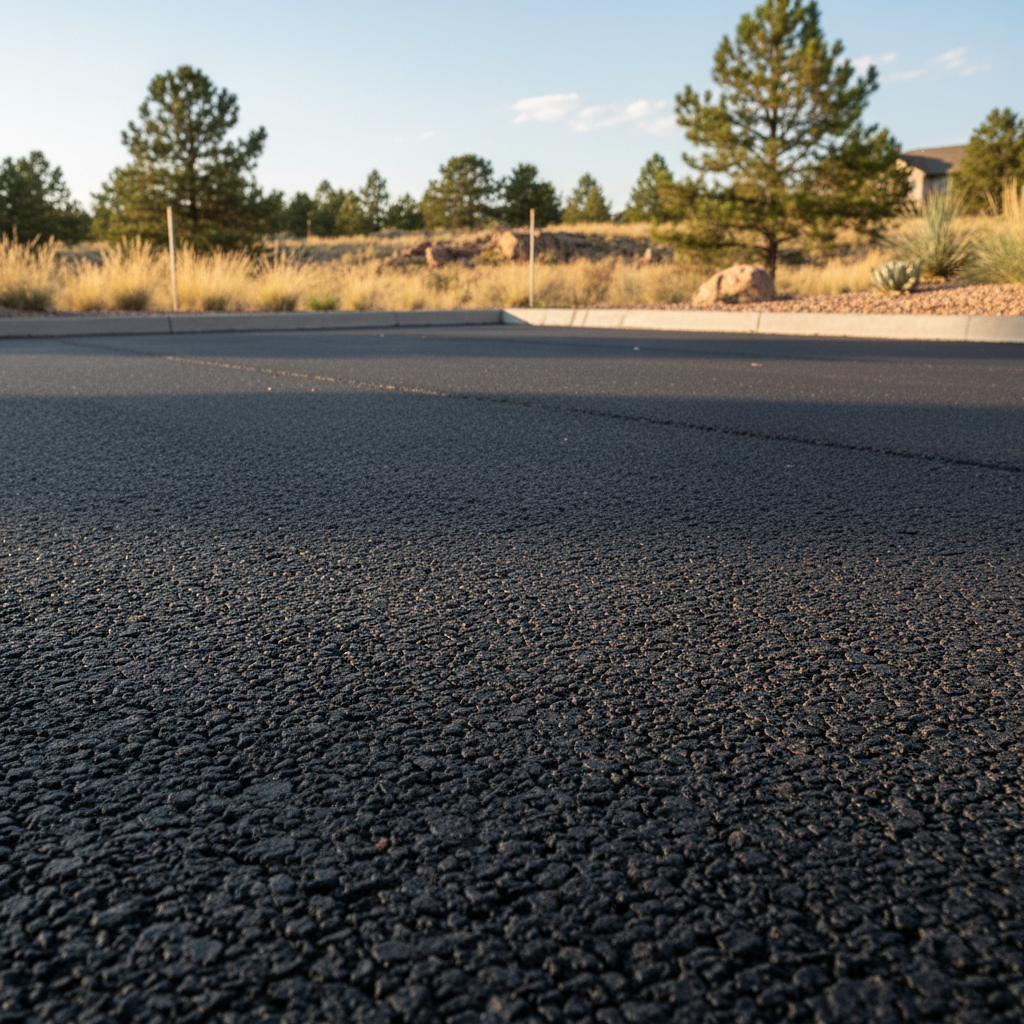
Got a spot on your Fort Collins property you're thinking of turning into a parking area? Maybe it's for an RV, an extra car, or just to keep vehicles off your lawn. Homeowners often wonder if they can just pour some asphalt themselves or if it's a bigger job than it looks. Let's break down what you really need to know before, during, and after a parking lot paving project.
Before You Start: Planning & Permits
First things first, you can't just start digging. You've got to check with the City of Fort Collins Planning Department. They'll tell you about zoning regulations, setbacks, and whether you need a permit for impervious surfaces. Adding a significant paved area can impact stormwater runoff, and Fort Collins is pretty serious about managing that, especially with our clay soils that don't drain as well as you might think. Ignoring this step can lead to fines or having to tear out your new pavement, and nobody wants that.
Next, think about what you're parking there. A couple of sedans is one thing; a heavy RV or a work truck is another. The weight of the vehicles dictates the thickness and type of base material you'll need. A small, light-duty parking pad might get away with a thinner asphalt layer, but for anything substantial, you're looking at a serious foundation.
Finally, call 811 before you dig. Always. You don't want to hit a gas line, water pipe, or electrical conduit. It's free, it's easy, and it saves you a world of trouble.
During the Project: What's Involved?
This is where the DIY vs. Pro question really comes into play. For a small, decorative gravel parking spot, sure, you can probably handle it. You'll need to excavate the area, lay down some landscape fabric, add a good base of compacted gravel, and then your top layer of decorative rock. That's a weekend project for someone handy with a shovel and a wheelbarrow.
But if you're talking about actual asphalt paving, that's a whole different beast. Here's why:
- Excavation and Grading: You need to dig out the existing soil to the right depth, then grade it meticulously for proper drainage. This usually means heavy equipment like a skid steer or an excavator, not just a shovel.
- Base Material: A proper asphalt parking lot needs a substantial aggregate base, often 6-12 inches deep, depending on the expected load. This material needs to be spread evenly and compacted in lifts with a heavy vibratory roller. You can rent these, but operating them effectively takes skill.
- Asphalt Application: This is the big one. Asphalt needs to be applied hot and quickly. It's delivered in specialized trucks, spread with a paving machine, and then compacted immediately with heavy rollers. This isn't a job for a homeowner. The equipment is expensive, specialized, and the material cools fast, making it nearly impossible to get a smooth, durable finish without professional gear and experience.
- Drainage: I mentioned this before, but it's worth repeating. Proper drainage is critical. You need to ensure water flows away from your home and other structures, preventing pooling and future damage. This often involves specific slopes and sometimes even catch basins or French drains.
Honestly, for anything more than a small gravel pad, you're going to need a professional. Trying to DIY asphalt paving usually ends up costing more in the long run when you have to pay someone to fix a poorly done job. At Precision Asphalt Fort Collins, we've seen plenty of projects where homeowners tried to save a buck and ended up with a wavy, cracking mess that needed a full redo.
After the Paving: Maintenance & Care
Once your parking lot is paved, whether you did it yourself (the gravel kind) or hired a pro, you've got to take care of it. For asphalt, that means:
- Give it time: Stay off new asphalt for at least 24-48 hours, sometimes longer in hot weather. It needs to cure.
- Sealcoating: This is like sunscreen for your asphalt. It protects it from UV rays, water, and chemicals. You should plan to sealcoat every 2-3 years. This is something you can DIY for a small area, but it's messy, and getting an even coat takes practice. For larger areas, a pro will have the right spray equipment for a consistent finish.
- Crack Sealing: As soon as you see cracks, fill 'em. Water is asphalt's worst enemy. It gets into cracks, freezes, expands, and turns small cracks into big potholes. You can buy crack filler at hardware stores and apply it yourself.
- Cleaning: Keep it free of debris, oil spills, and chemicals. Oil and gas can break down the asphalt binder over time.
Even if you hire us for the paving, understanding these maintenance steps will help you get the most life out of your investment. A well-maintained asphalt parking lot can last 20 years or more, but neglect it, and you'll be looking at repairs much sooner.
So, can you pave a parking lot yourself? For a small, gravel-only spot, maybe. For anything involving asphalt, save yourself the headache and call in the experts. It's a complex job that requires specific equipment, materials, and know-how to do right the first time.