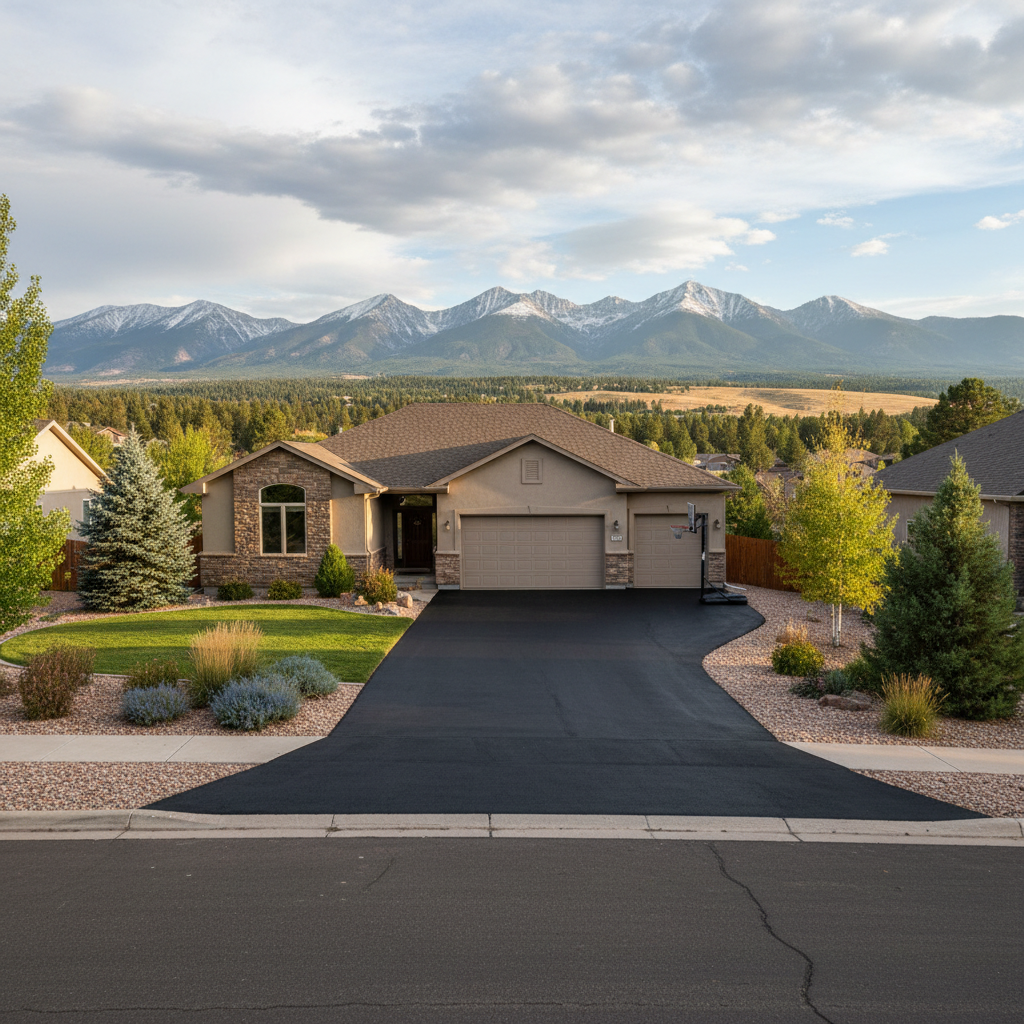
When's the right time to sealcoat your asphalt driveway here in Fort Collins? That's a question I get asked a lot. It's not just about picking a random sunny day; it's about understanding our unique climate and how it impacts the materials we use. Get it wrong, and you're just throwing money away. Get it right, and your driveway will look good and last for years.
Why Timing is Everything for Fort Collins Asphalt
Our weather patterns in Fort Collins are pretty distinct, aren't they? We get those brutal freeze-thaw cycles in the winter, intense UV exposure in the summer, and sometimes, those sudden afternoon thunderstorms. All these things beat up your asphalt. Sealcoating is like sunscreen and a protective barrier all in one for your driveway. But for it to do its job properly, it needs to cure correctly.
You can't just slap sealcoat down whenever. The material needs specific conditions to bond with your asphalt and harden into that tough, protective layer. If it's too cold, it won't cure. If it's too hot, it can dry too fast and crack. If it rains too soon, it'll wash away. That's why timing is absolutely critical.
The Ideal Sealcoating Window in Northern Colorado
For us in Fort Collins, the sweet spot for sealcoating typically runs from late spring through early fall. Think May, June, July, August, and maybe early September. That's when we consistently get the daytime temperatures we need – usually 50 degrees Fahrenheit and rising, with night temperatures staying above 40 degrees. You want a good 24-48 hours of those conditions after application for proper curing.
- Spring (May-June): This is often ideal. The ground has warmed up from winter, and we typically have stable, moderate temperatures. You avoid the peak summer heat, which can sometimes be a bit much for certain sealcoat products.
- Summer (July-August): Still a great time, especially if you get it done before the really intense heat waves hit. Just make sure there's no rain in the forecast, and consider getting it done early in the day if temperatures are expected to soar into the high 90s.
- Early Fall (September): Can still work, but you're playing a bit more of a gamble with those overnight temperatures. Once we start seeing consistent lows in the 30s, it's really too late. The sealcoat won't cure right, and you'll end up with a less durable finish.
What you absolutely want to avoid is trying to sealcoat when the temperatures are dropping, or when there's a good chance of rain, hail, or even an early snow. I've seen folks try to squeeze it in too late in the season, and it just doesn't hold up. Precision Asphalt Fort Collins always checks the forecast for a solid 48-hour window before we even think about starting a job.
Weather Conditions That'll Stop Us in Our Tracks
When you call us for sealcoating, we're not just looking at the current temperature. We're checking the whole forecast. Here's what makes us reschedule:
- Rain: Obvious one. If it rains within 24 hours of application, especially during the first few hours, it'll wash away or seriously compromise the cure.
- High Humidity: This can slow down the drying and curing process significantly. While not a deal-breaker on its own, combined with lower temperatures, it can be problematic.
- Extreme Heat: If it's pushing 100 degrees, the sealcoat can dry too quickly on the surface, leading to cracking or a weaker bond. We might adjust our application methods or recommend waiting for a cooler day.
- Wind: Strong winds can cause the sealcoat to dry unevenly and can also blow debris onto the wet surface, which isn't ideal. It also makes application harder.
- Overnight Freezing: If the temperature is going to drop below 40 degrees Fahrenheit overnight, especially within 24-48 hours of application, we won't do the job. The material needs that warmth to cure properly.
We're not just being picky; these conditions directly impact the quality and longevity of your sealcoat. We want your investment to last, and that means doing it right the first time.
Protecting Your Investment Year-Round
Once your driveway is sealcoated, you've done a great job protecting it. But the work doesn't stop there. Here's how to keep it looking good and performing well:
- Keep it Clean: Sweep off dirt, leaves, and debris regularly. Don't let oil or gas spills sit; clean them up immediately with an absorbent material.
- Avoid Heavy Loads: Try not to park heavy RVs or equipment on your driveway for extended periods, especially in the summer heat. The weight combined with heat can cause depressions.
- Mind Your Edges: The edges of your driveway are often the first to crack. Keep them clear of vegetation and avoid driving off the edge.
- Watch for Cracks: Even with sealcoating, small cracks can develop over time. Address them quickly with a quality crack filler. Don't let them grow into potholes.
- Re-seal Every Few Years: Depending on traffic and sun exposure, plan to re-seal your driveway every 2-3 years. This proactive approach is far more cost-effective than waiting for major damage.
Taking care of your asphalt driveway is a year-round commitment, but it pays off big time. A well-maintained driveway not only looks better but also adds value to your home and saves you from costly repairs down the line. If you're wondering if your Fort Collins driveway is ready for a fresh sealcoat, give us a call. We're happy to take a look and give you an honest assessment.