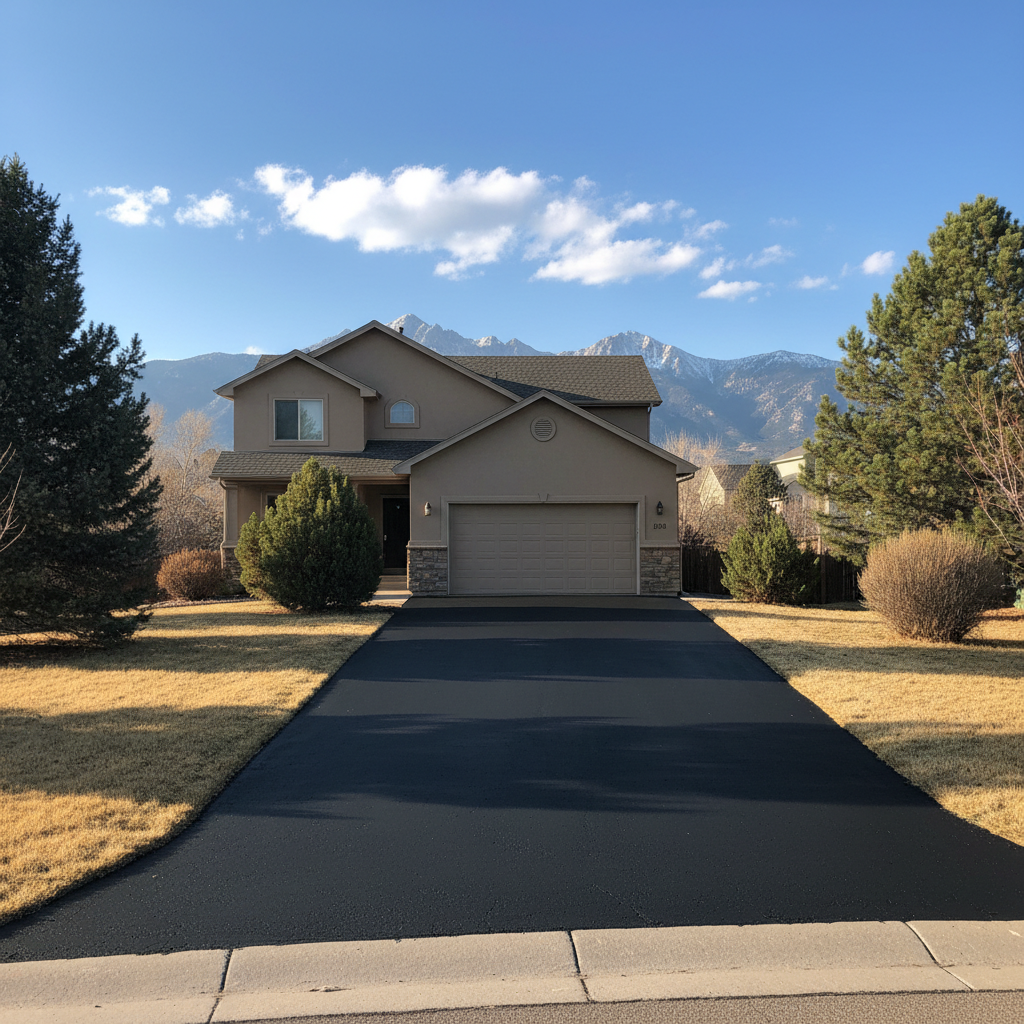
So, you're thinking about sealcoating your driveway. Good move. It's truly one of the best things you can do to protect your asphalt here in Fort Collins, especially with our crazy freeze-thaw cycles and that strong sun we get. But before you jump in, let's talk about getting this project planned right. That way, you'll know exactly what's coming.
Timeline: When to Get it Done
Timing is pretty crucial for sealcoating. You really can't just do it any old day. The biggest factor? Temperature. We need consistent daytime temperatures of at least 50 degrees Fahrenheit. Ideally, nighttime temps shouldn't dip below 40 degrees for a few days after we apply it. That usually puts us squarely in late spring, summer, and early fall here in Northern Colorado. Trying to rush it in early spring or late fall when it's still chilly just means the sealcoat won't cure properly. And then you'll be wasting your money, won't you?
Most folks start calling us for quotes in April or May, and our schedule fills up fast — especially for those prime summer dates. If you're looking to get it done in July or August, don't wait until June to call. Get on the books a few weeks, maybe even a month or two, ahead of time. This gives you flexibility and ensures you get a reputable contractor when you want them.
What to Expect During the Process
Alright, so you've picked a date. What happens next? First, you'll get a heads-up from us, usually a day or two before, confirming we're still on track, weather permitting. If it's going to rain, we'll have to reschedule, no way around it. Sealcoat and water just don't mix when it's trying to cure.
On the actual day, our crew will show up. The first thing we do is thoroughly clean the driveway. This means blowing off all the loose dirt, leaves, and debris. Then, we'll address any oil spots or stains. These need pre-treatment; otherwise, the sealcoat won't stick. If there are any cracks, we'll typically fill those before sealcoating. This isn't just about looks, you know; it stops water from getting under your asphalt and causing bigger problems down the road. After all that prep work, we'll apply the sealcoat. We usually do two coats for residential driveways to make sure you get good coverage and durability. It's applied either by spray or squeegee, depending on the surface and what's needed.
Once it's applied, you absolutely cannot drive or walk on it for at least 24 hours. Sometimes it's up to 48 hours, especially if it's cooler or humid. We'll put up barricades or tape to remind you. It needs to cure completely. Driving on it too soon will leave tire marks and compromise the finish, and walking on it can track the material into your house. Trust me, you don't want that mess.
How to Prepare Your Driveway
Before our crew arrives, there are a few things you can do to make the process smoother for everyone:
- Clear the driveway: Get all cars, bikes, toys, trash cans, and anything else off the asphalt.
- Trim back vegetation: If you have bushes or grass growing right up to the edge of your driveway, trim them back a bit. This helps us get a clean edge and prevents sealcoat from getting on your plants.
- Turn off sprinklers: Make sure your sprinkler system is off for at least 24 hours before we start and for 48 hours after. We don't want any water messing with the drying process.
- Secure pets: Keep your furry friends inside or in a secure area away from the work zone. Sealcoat isn't good for paws, and we certainly don't want them tracking it around.
- Communicate: If you have any specific concerns or areas you want us to pay extra attention to, just let us know ahead of time.
Questions to Ask Before You Sign
Don't just go with the first quote you get. Ask some pointed questions. It's your money, after all, and you want to make sure you're getting a quality job. Here's what I'd ask:
- What kind of material do you use? There are different types of sealcoat. You want to know if they're using a coal tar emulsion or an asphalt emulsion, and what additives they include for durability and faster drying. Precision Asphalt Fort Collins uses high-quality, commercial-grade materials designed for our climate.
- How many coats do you apply? For residential driveways, two coats are standard and give the best protection. If they only offer one, ask why.
- What's your prep process? Make sure they're cleaning the surface thoroughly and addressing oil spots and cracks. A good sealcoat job starts with good prep.
- How long have you been in business? Experience matters. You want a company that knows what they're doing and has a track record in Fort Collins.
- Are you insured? This is non-negotiable. If something goes wrong, you want to know they're covered. Ask for proof of liability insurance.
- What's your warranty? A reputable contractor will stand behind their work. Understand what's covered and for how long.
- How long do I need to stay off the driveway? Get a clear answer on the cure time.
Asking these questions will help you sort out the pros from the fly-by-nighters. A good contractor won't mind answering them. In fact, they'll appreciate that you're an informed homeowner. Planning ahead and knowing what to expect makes the whole sealcoating process a breeze, and you'll end up with a protected, great-looking driveway that lasts.